Moisture Detection for Water Damage West Valley City UT
Find hidden leaks before they rot your home
Moisture Detection for Water Damage West Valley City UT locates hidden leaks behind walls, under floors, and inside ceilings before they turn into mold or structural rot. Our water damage inspection in West Valley City uses thermal imaging and moisture meters to map every wet pocket. If your floor feels soft, your wall smells musty, or your water bill jumped, call us now.
What Moisture Detection for Water Damage West Valley City UT Involves
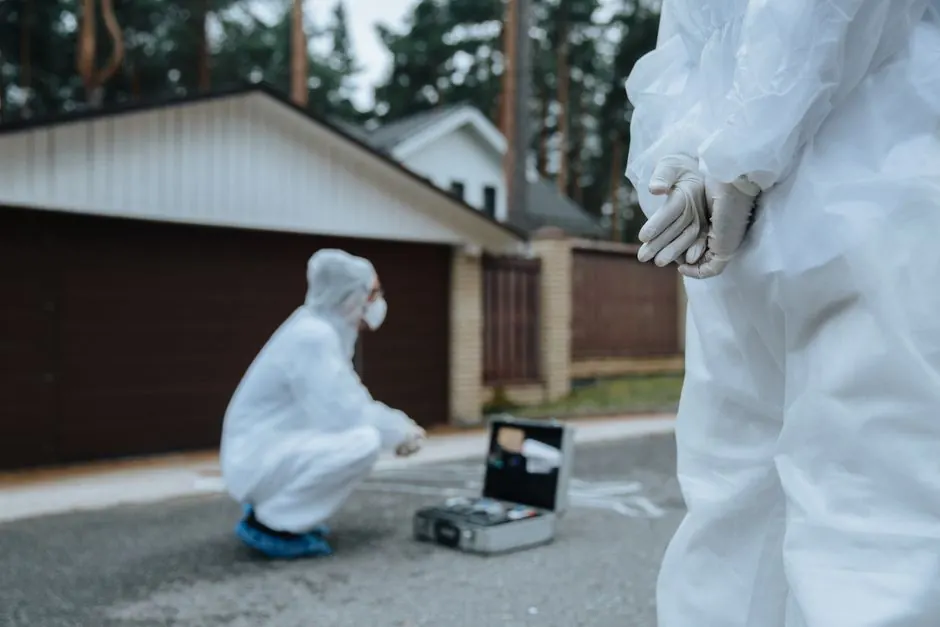
Moisture Detection for Water Damage West Valley City UT is a diagnostic service that finds water hiding inside your home's structure before it causes visible damage. We use a moisture meter, thermal imaging camera, and hygrometer to scan drywall, subfloor, insulation, and baseboards. Water from a slab leak, burst pipe, or roof leak spreads sideways through materials, so the wettest spot is rarely where you see the stain.
West Valley City homes face freeze-thaw cycles each winter that crack pipe insulation and split copper lines. Spring snowmelt and summer storms push water through foundation seepage points. If you search for water damage inspection near me West Valley City, our team responds same-day with moisture detection services West Valley City same-day scheduling. We map the full wet zone so drying equipment targets the right square footage.
Why Early Moisture Detection Saves You Money
Finding water early is the difference between a $400 drying job and a $12,000 rebuild. These four outcomes show what proper moisture detection delivers for West Valley City homeowners.
Stop Mold Before It Starts
Mold growth begins within 24 to 48 hours of a leak. Our moisture meter inspection West Valley City pinpoints wet drywall and insulation before spores colonize. Catching it in the first day means we dry the cavity instead of tearing out drywall and treating with antimicrobial solution.
Protect Your Subfloor
Plywood and OSB subfloor delaminates after 72 hours of saturation. We use a hygrometer and inspection camera to read moisture content deep in the floor assembly. If we find 20% or higher, we set air movers and a desiccant dehumidifier immediately to save the deck.
Cut Insurance Claim Costs
Insurers pay for documented damage, not guesswork. Our thermal imaging camera produces images that show exactly where water traveled. That evidence supports your claim and helps adjusters approve drying equipment and Xactimate line items without dispute.
Avoid Tear-Out Guesswork
Contractors who skip detection cut open the wrong wall. We map the entire wet zone first, then remove only saturated drywall and carpet padding. That precision saves you hundreds in unnecessary demolition and keeps more of your home intact.
Our Moisture Detection Process Step by Step
Every job follows the same five-step sequence so you know what happens, who does it, and how long it takes. Most residential detections finish in 60 to 90 minutes.
Phone Triage
You call (385) 488-0549 and describe what you see: a stain, a soft floor, a musty smell. We ask about the water source and shut-off status. Within 15 minutes we dispatch a technician with a moisture meter, thermal imaging camera, and inspection camera loaded.
Visual Walkthrough
Our technician walks the affected area with you, noting baseboards, carpet padding, and hardwood flooring that look discolored or feel spongy. We check the water heater, washing machine, dishwasher, and refrigerator supply lines for appliance leak evidence.
Instrument Scan
We scan walls, ceilings, and floors with a thermal imaging camera to find temperature anomalies, then confirm each hit with a pin-type or pinless moisture meter. A hygrometer and psychrometer read ambient humidity so we know how far vapor has spread.
Moisture Mapping
We sketch the wet zone on a floor plan and mark moisture percentages at each reading. You see exactly where the water is, how wet each material is, and which areas need drying equipment. This map becomes the baseline for every follow-up visit.
Findings and Plan
We explain what we found, what caused it, and what drying or repair work is needed. You get a written scope with equipment counts and a timeline. If you approve, we set air movers and dehumidifiers the same visit.
Local Experience You Can Verify
Our technicians hold IICRC WRT and IICRC ASD certifications and follow the ANSI/IICRC S500 standard for water damage restoration. We train on Dri-Eaz and Phoenix Restoration Equipment, and we document every job in Xactimate so insurance claims move faster. We know West Valley City building stock, from 1950s Hunter bungalows with original copper to newer Stonebridge builds with PEX plumbing.
- IICRC WRT and IICRC ASD certified technicians on every moisture detection call
- ANSI/IICRC S500 standard followed for drying and documentation
- Xactimate Certified estimating for insurance-ready moisture reports
- OSHA 10 and OSHA 30 trained crews for safe containment work
- Utah DOPL licensed and EPA Lead-Safe certified for pre-1978 homes
Why West Valley City Homeowners Call Us First
We are a local West Valley City company, not a franchise dispatch center. When you call, you reach a technician who knows Salt Lake County building codes and the neighborhoods we serve.
Same-Day Detection
We schedule moisture detection services West Valley City same-day for calls before 3 p.m. Our trucks carry moisture meters, thermal imaging cameras, and dehumidifiers so we can start drying the moment we confirm the wet zone.
Insurance-Ready Reports
Every detection includes moisture maps, thermal images, and Xactimate-compatible documentation. Adjusters get the evidence they need to approve your claim without a second inspection, which shortens payout time by days.
No Guesswork Demolition
We never cut drywall until instruments confirm saturation. That discipline saves you money on materials and labor. Our affordable water damage detection West Valley City pricing starts at $189 for a standard residential scan.
Full Drying Under One Roof
Detection is step one; drying is step two. We deploy air movers, desiccant dehumidifiers, and air scrubbers from Legend Brands and Abatement Technologies. You get one team from first reading to final dry standard.
What Our Moisture Detection Service Includes
Every detection visit covers a full instrument scan, moisture mapping, and a written findings report. Drying equipment, repairs, and mold remediation are separate scopes priced after we confirm the wet zone. Here is what you get on the standard visit.
What's Included
Thermal Imaging Scan
We scan every wall, ceiling, and floor in the affected area with a thermal imaging camera. The camera reveals temperature anomalies caused by evaporating moisture, which shows us where to confirm with a meter.
Moisture Meter Readings
We take pin-type and pinless moisture meter readings at multiple points in each material. You see the percentage for drywall, subfloor, baseboards, and carpet padding so you know which areas are wet and which are dry.
Humidity and Vapor Check
A hygrometer and psychrometer read ambient humidity and dew point. That tells us whether vapor has spread into rooms beyond the visible damage and whether a dehumidifier is needed.
Written Moisture Map
We sketch the wet zone on a floor plan and mark each reading. The map becomes the baseline for drying and the document your insurance adjuster uses to approve equipment and repairs.
Cause Identification
We trace the water back to its source, whether that is a slab leak, burst pipe, appliance leak, or roof leak. Knowing the cause prevents the same damage from happening again after we dry.
Hidden Water Problems We Solve in West Valley City
Most water damage starts invisible. By the time you see a stain or smell mold, the water has been spreading for days. These are the problems our detection service catches early.
Musty smell with no visible leak
Odor means mold is already growing inside a wall or under flooring. Left alone, it spreads through the HVAC system and affects air quality in every room.
We scan with a thermal imaging camera and moisture meter to find the wet pocket feeding the mold. Once located, we dry the cavity and apply antimicrobial solution to stop growth.
Soft or spongy spot in the floor
A soft floor means the subfloor or hardwood is saturated and losing strength. If ignored, the deck delaminates and you face a full floor replacement.
Our moisture meter inspection West Valley City reads moisture content at the soft spot and surrounding area. We dry the assembly with air movers and a dehumidifier to save the floor.
Water bill jumped with no explanation
A slab leak or hidden supply line leak can waste thousands of gallons a month. The water erodes soil under the foundation and can crack the concrete slab.
We use an infrared thermometer and moisture meter to trace the leak path under the slab. Once we map it, we coordinate the plumbing repair and dry the affected flooring.
Ceiling stain that keeps coming back
A recurring stain means the leak source was never fixed or water is still traveling along a rafter. Each rain cycle adds more moisture and eventually the drywall fails.
We detect moisture above the stain and trace it to the roof leak or upstairs fixture. After the source is repaired, we dry the ceiling cavity and insulation to prevent mold.
When to Call for Moisture Detection
You had a toilet overflow two days ago and the floor still feels damp near the base.
We scan the bathroom floor and the wall behind the toilet with a moisture meter. Water wicks into the subfloor and baseboards, so we map the full wet zone and set drying equipment.
The subfloor dries to normal moisture content, and you avoid replacing the bathroom floor and vanity.
Your washing machine supply hose burst and you mopped up the water, but the hallway carpet feels cold.
We use a thermal imaging camera to check the carpet padding and subfloor in the hallway. Cold spots indicate trapped moisture that a towel cannot reach.
We extract the water, dry the padding, and save the carpet instead of replacing it.
You are buying a home in West Valley City and the inspection report mentions a prior roof leak.
We perform a pre-purchase moisture scan of the attic, ceilings, and walls below the reported leak. The thermal camera and meter confirm whether moisture remains.
You get a written report showing dry readings or a documented wet zone you can use in negotiations.
A pipe froze and burst in your crawl space last winter, and you are not sure the joists dried out.
We crawl the space with a moisture meter and inspection camera, reading joist and insulation moisture. If readings are high, we set a desiccant dehumidifier and air mover.
The joists return to normal moisture content, and you avoid rot and mold in the crawl space.
Tools and Methods We Use for Detection
Tools & Equipment
Thermal Imaging Camera
Reveals temperature differences behind drywall and under flooring caused by evaporating moisture. It shows us where to confirm with a meter without opening walls.
Pin-Type and Pinless Moisture Meter
Reads moisture content percentage in drywall, wood, and concrete. Pin-type meters give depth readings; pinless meters scan large surfaces quickly.
Hygrometer and Psychrometer
Measures ambient humidity, temperature, and dew point. These readings tell us how far vapor has spread and whether a dehumidifier is needed.
Inspection Camera
Slides inside wall cavities and crawl spaces to show us the back side of drywall and the top of the subfloor. It confirms what the meter readings suggest.
Infrared Thermometer
Reads floor surface temperature gradients to locate slab leaks. Cool spots on a warm floor often mark the path of water under the concrete.
Dri-Eaz and Phoenix Restoration Equipment
Our drying fleet includes air movers and dehumidifiers from these brands. We size equipment based on the moisture map so drying is neither slow nor wasteful.
Methods
ANSI/IICRC S500 Standard
This standard defines how to inspect, document, and dry water-damaged buildings. We follow it on every job, from initial readings to the final dry standard check.
Moisture Mapping
We sketch the affected area and mark moisture percentages at each reading. The map guides equipment placement and gives your insurance adjuster a clear picture of the loss.
Thermal Imaging Survey
We scan each room systematically, top to bottom, looking for temperature anomalies. Every anomaly is confirmed with a moisture meter before we mark it on the map.
Xactimate Documentation
We record findings in Xactimate-compatible format so your claim moves through the adjuster quickly. Photos, moisture maps, and equipment logs go into one report.
How Moisture Detection Runs in West Valley City
West Valley City sits in the Salt Lake Valley, where winter freeze-thaw cycles crack pipe insulation and spring snowmelt saturates soil around foundations. Homes in Hunter and Granger built in the 1950s and 1960s still have original copper supply lines that fail at fittings. Newer builds in Stonebridge use PEX, which is more freeze-resistant but still leaks at crimp rings. We adjust our detection approach to the building age and plumbing material. For slab leak cases, we use an infrared thermometer to trace warm spots on the floor before confirming with a moisture meter. If you need emergency moisture detection West Valley City UT after a burst pipe, we carry drying equipment on every truck so we can start immediately. We also follow Utah DOPL licensing requirements and EPA Lead-Safe rules when working in pre-1978 homes.
Service Areas
Many homes here have original copper plumbing and unfinished basements. We often find slab leaks and crawl space moisture after winter freezes.
Granger has a mix of 1960s ranches and newer townhomes. Roof leaks and appliance supply line failures are the most common calls we get here.
Newer construction with PEX plumbing and finished basements. We see washing machine hose failures and water heater leaks in these homes.
Larger homes with multiple bathrooms and second-floor laundry rooms. Ceiling water damage from upstairs overflows is a frequent detection job here.
Local Considerations
Winter freeze-thaw cycles
Pipes in exterior walls and crawl spaces freeze and burst. We see a spike in emergency detection calls from December through February.
Spring snowmelt and heavy rain
Water seeps through foundation walls and window wells. Basement and crawl space moisture detection requests rise in March and April.
Aging copper supply lines
Homes built before 1975 develop pinhole leaks at fittings. These slow leaks hide inside walls for weeks before a stain appears.
Expansive clay soil
Soil movement stresses underground pipes and can crack slab plumbing. We use infrared thermometers to trace slab leaks without breaking concrete.
Slab Leak in Hunter Basement
A Hunter homeowner noticed warm spots on the basement floor and a water bill that doubled in one month. Two plumbers could not find the leak. The concrete slab showed no visible cracks.
Our infrared thermometer traced the leak path to a cracked copper line under the slab. We mapped moisture in a 12-foot radius, coordinated the plumbing repair, and dried the concrete and baseboards to normal readings in four days.
Maintenance & Follow-up
We recommended annual moisture checks near the repair site and a pressure test on the remaining copper lines. Catching the next pinhole early prevents another slab break.
A burst washing machine hose flooded a Stonebridge laundry room and hallway. The homeowner mopped up the visible water but the carpet stayed cold and damp. Mold started appearing at the baseboard within 48 hours.
We detected moisture in the carpet padding, subfloor, and the wall cavity behind the laundry room. Extraction removed 15 gallons, and air movers plus a dehumidifier dried the assembly in three days. Mold was treated with antimicrobial solution.
Maintenance & Follow-up
We replaced the rubber hoses with braided stainless steel lines and suggested checking them every six months. A $30 hose swap prevents a $4,000 floor replacement.
A Granger homeowner saw a brown stain spreading on the living room ceiling after spring rain. The attic insulation above it was wet, and the drywall sagged slightly. The roof had a flashing failure.
Our thermal scan traced the leak along a rafter to the flashing. We dried the ceiling cavity and insulation over three days, then the roofer repaired the flashing. Moisture readings returned to normal and the stain was sealed with primer.
Maintenance & Follow-up
We advised checking attic insulation after every heavy rain and scheduling a roof inspection each fall. Early detection keeps a small flashing repair from becoming a ceiling rebuild.
Moisture Detection Pricing in West Valley City
Typical 2026 pricing for moisture detection in West Valley City starts at $189 for a single-room scan and runs to $450 for a full-home inspection. Commercial buildings and slab leak investigations are quoted after we see the layout. The fee covers the instrument scan, moisture map, and written report. If you approve drying work the same visit, we credit the detection fee toward the drying invoice. We give you the price before we start.
Pricing Factors
Square footage scanned
A single bathroom takes 30 minutes; a full 2,500-square-foot home takes 90 minutes or more. More instrument time means a higher fee, but the map covers every room.
Number of wet areas
If water spread from the kitchen into the hallway and basement, we scan all three zones. Each additional zone adds 15 to 20 minutes of detection and documentation.
Slab leak investigation
Tracing a leak under a concrete slab requires an infrared thermometer and more detailed mapping. These jobs start at $350 because of the extra time and equipment.
Commercial vs residential
Commercial spaces have larger floor plates and more complex layouts. We quote commercial detection after a walkthrough so you know the cost before we begin.
After-hours scheduling
Emergency calls after 8 p.m. or on holidays carry a dispatch surcharge. Standard weekday appointments between 8 a.m. and 5 p.m. have no extra fee.
Investment Range
$189 - $450 for most residential jobs; commercial and slab leak work quoted after walkthrough
Based on project scope
Value You Get
Detection costs a fraction of the repair it prevents. A $189 scan that finds a hidden leak early can save you $8,000 or more in structural repairs, mold remediation, and flooring replacement.
How much does Moisture Detection for Water Damage cost in West Valley City?
Most residential moisture detection jobs in West Valley City run $189 to $450 in 2026, depending on square footage and how many rooms we scan. Commercial buildings and slab leak investigations cost more because they require more instrument time. The fee covers the full scan, moisture map, and written findings. If you approve drying work the same visit, we credit the detection fee toward the drying invoice.
How do you detect hidden moisture in West Valley City UT?
We combine a thermal imaging camera with a moisture meter and hygrometer. The camera shows temperature differences behind drywall and under flooring; the meter confirms actual moisture content. We also use an inspection camera inside wall cavities and a psychrometer to read ambient humidity. Together those tools reveal water that is invisible to the eye, including vapor trapped under hardwood flooring or inside a concrete slab.
Can you find water damage behind walls in West Valley City?
Yes. Thermal imaging detects the cool spots where evaporating moisture lowers surface temperature, and a pin-type moisture meter confirms it through small test holes. We locate hidden moisture behind walls without tearing out full sections. If saturation exceeds 20%, we mark the exact cut line so only wet drywall comes out. That precision keeps repair costs down and preserves your paint and trim.
What tools do you use for moisture detection in West Valley City?
Our trucks carry Dri-Eaz and Phoenix Restoration Equipment moisture meters, FLIR thermal imaging cameras, hygrometers, psychrometers, and inspection cameras. For slab leak cases we add an infrared thermometer to read floor temperature gradients. We follow ANSI/IICRC S500 protocols for every reading. All instruments are calibrated, and we log each measurement so your insurance adjuster sees a documented, repeatable process.
Licensed, Certified, and Reviewed
Certifications
Reviews
They found a slab leak that two other companies missed. The thermal camera showed exactly where the water was traveling, and the moisture map made our insurance claim straightforward. Professional from start to finish.
Called about a musty smell in the basement. They arrived same day, scanned the whole area, and found mold behind a finished wall. Dried it out and treated the mold. Honest pricing and clear explanations.
After our water heater failed, they detected moisture in the walls and floor within an hour of arrival. Set drying equipment the same visit and checked readings daily until everything was dry. Highly recommend.
Related Water Damage Services
Emergency Water Damage Restoration
When detection confirms an active leak, our emergency crew mobilizes within the hour. We stop the source, extract standing water, and begin structural drying the same day in West Valley City.
Emergency Water Damage RestorationResidential Water Damage Restoration
Detection is the first phase of every residential restoration job. We map the wet zone in your home, then dry drywall, subfloor, and carpet padding to IICRC standards before repairs begin.
Residential Water Damage RestorationCommercial Water Damage Restoration
Offices, retail spaces, and warehouses in West Valley City need fast moisture mapping to limit downtime. We scan large floor plates with thermal imaging and document findings for your property insurer.
Commercial Water Damage RestorationEmergency Water Extraction
After detection pinpoints the wettest areas, our water extraction unit pulls standing water from carpet and hard floors. We start extraction within minutes of arrival to reduce secondary damage.
Emergency Water ExtractionFlood Water Removal
Storm flooding pushes contaminated water into basements and crawl spaces. We detect the full extent, then remove flood water and apply antimicrobial solution to every affected surface.
Flood Water RemovalStanding Water Removal
Standing water in a West Valley City basement grows mold in 24 hours. Our detection scan locates the deepest pockets, then truck-mounted extraction units remove the water and we begin drying.
Standing Water RemovalBurst Pipe Water Damage Cleanup
A burst pipe in a Hunter home can release 50 gallons before you shut the valve. We detect moisture in walls and ceilings, extract the water, and dry the cavity to prevent mold.
Burst Pipe Water Damage CleanupPlumbing Leak Water Damage Cleanup
Slow plumbing leaks rot framing for months before you notice. Our moisture meter inspection West Valley City finds the wet zone, and we repair the damage after drying.
Plumbing Leak Water Damage CleanupCeiling Water Damage Drying
Ceiling stains from a roof leak or upstairs overflow hide saturated drywall. We detect moisture above the stain, then dry the ceiling assembly with air movers and a dehumidifier.
Ceiling Water Damage DryingWall Water Damage Drying
Water inside a wall cavity wicks upward and sideways. We use thermal imaging to map the full wet area, then set drying equipment and monitor until moisture returns to normal.
Wall Water Damage DryingHardwood Floor Water Damage Drying
Hardwood flooring cups and buckles when moisture sits underneath. Our detection scan reads moisture content in the boards and subfloor, then we dry the assembly to save the floor.
Hardwood Floor Water Damage DryingCarpet Water Extraction
Wet carpet padding holds water like a sponge. We detect saturation levels, extract the carpet, and remove padding that cannot be dried. Fresh padding goes down after the subfloor is dry.
Carpet Water ExtractionWet Carpet Drying
If detection shows the carpet is salvageable, we lift it, dry the subfloor, and dry the carpet with air movers. That saves you the cost of replacement carpet and pad.
Wet Carpet DryingSubfloor Water Damage Drying
Plywood subfloor loses strength fast when wet. Our moisture meter inspection West Valley City reads moisture content at multiple points, and we dry the deck before it delaminates.
Subfloor Water Damage DryingStorm Water Damage Cleanup
Summer storms and spring snowmelt drive water into West Valley City homes. We detect intrusion points, extract storm water, and dry the structure before mold takes hold.
Storm Water Damage CleanupRoof Leak Water Extraction
Roof leaks travel along rafters before dripping onto your ceiling. Our thermal scan traces the path, and we extract water from insulation and drywall to stop the spread.
Roof Leak Water ExtractionAppliance Leak Water Cleanup
Refrigerator, dishwasher, and washing machine supply lines fail without warning. We detect moisture behind and under the appliance, then clean up and dry the area.
Appliance Leak Water CleanupWashing Machine Leak Water Removal
A washing machine hose can dump 10 gallons a minute. We detect how far the water spread, remove it, and dry the laundry room and adjacent flooring.
Washing Machine Leak Water RemovalDishwasher Leak Water Removal
Dishwasher leaks hide under the cabinet and soak the subfloor. Our detection tools find the wet zone, and we remove water and dry the cabinet base and flooring.
Dishwasher Leak Water RemovalRefrigerator Water Leak Cleanup
Ice maker lines leak behind the fridge and warp hardwood. We detect moisture under the flooring, extract the water, and dry the area to prevent cupping.
Refrigerator Water Leak CleanupWater Heater Leak Water Removal
A failed water heater tank releases 40 to 60 gallons. We detect saturation in the surrounding walls and floor, remove the water, and dry the area before rust and mold set in.
Water Heater Leak Water RemovalToilet Overflow Water Cleanup
Toilet overflow sends contaminated water into the bathroom and hallway. We detect the spread, remove the water, apply antimicrobial solution, and dry the affected flooring.
Toilet Overflow Water CleanupBathroom Water Damage Drying
Bathroom leaks soak the subfloor and wall cavities behind tile. Our detection scan finds the wet zone, and we dry the structure before the damage spreads to adjacent rooms.
Bathroom Water Damage DryingKitchen Water Damage Cleanup
Kitchen leaks from sinks, dishwashers, and ice makers damage cabinets and flooring. We detect moisture in the cabinet base and subfloor, then clean up and dry the area.
Kitchen Water Damage CleanupSlab Leak Water Damage Cleanup
A slab leak under a West Valley City foundation pushes water up through the concrete. We detect moisture in the slab and flooring, then dry the area and coordinate the plumbing repair.
Slab Leak Water Damage CleanupCrawl Space Water Removal
Crawl space water breeds mold and rots floor joists. We detect the wet zone, remove standing water, and install a vapor barrier to keep the space dry.
Crawl Space Water RemovalBasement Water Removal
Basement seepage after a storm needs fast action. We detect how far water traveled, extract it, and dry the concrete and framing to prevent mold growth.
Basement Water RemovalStructural Drying Services
After detection maps the wet zone, structural drying brings moisture content back to normal. We use air movers, dehumidifiers, and daily monitoring to hit the dry standard.
Structural Drying ServicesDehumidification Services
Detection tells us how much vapor is in the air and materials. We size desiccant dehumidifiers and refrigerant units to pull that moisture out and stabilize your West Valley City home.
Dehumidification ServicesWhat West Valley City Customers Say
Real experiences from customers who chose our Moisture Detection for Water Damage services
"Our water bill spiked and we could not find a leak. The technician scanned the whole house with a thermal camera and found a slab leak under the kitchen. He showed us the moisture map and explained every reading. We caught it before the hardwood cupped. Worth every penny."
Marcus T.
Homeowner, Hunter
"After a pipe burst in the upstairs bathroom, I called for a water damage inspection in West Valley City. They arrived in under an hour, found moisture in the ceiling below, and set drying equipment the same visit. The daily moisture logs made our insurance claim easy."
Danielle R.
Homeowner, Stonebridge
"We manage six rental units in Granger and use them for all moisture detection services West Valley City. They document everything with Xactimate reports, which keeps our insurer happy. Last month they found a hidden leak behind a shower wall that two other contractors missed."
Ken P.
Property Manager, Granger
Schedule Moisture Detection for Water Damage West Valley City UT
We are IICRC certified, Utah DOPL licensed, and ready to find hidden water before it costs you thousands. Call (385) 488-0549 now and we will dispatch a technician with a thermal imaging camera and moisture meter today.