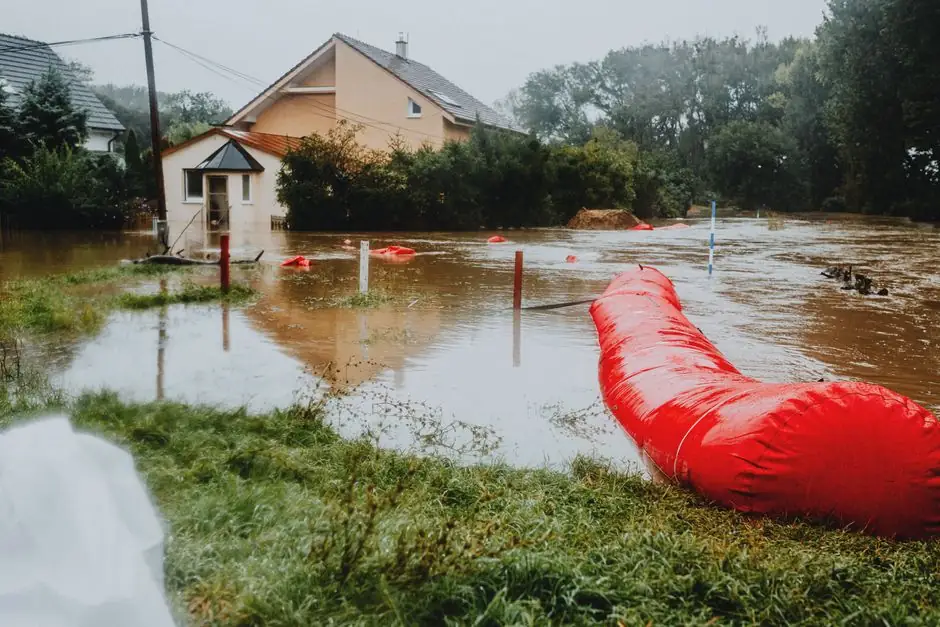
Flood water removal in West Valley City comes down to three things: stop the water, get the standing water out fast, and dry the structure before mold starts. If you do nothing else in the first hour, shut off the main water valve and kill power to any flooded room at the breaker. This guide covers the rest - how to remove flood water from your home, what cleanup costs here in 2026, and how insurance actually handles a claim.
We run these calls every week across West Valley City, from Granger to Hunter to the older blocks near 3500 South. Most of what follows is the same advice we give homeowners standing in two inches of water at 11 p.m.
What homeowners should know about flood water removal in West Valley City
West Valley City flood water removal UT is the process of extracting standing water, drying the structure, and disinfecting affected materials so a home can be safely occupied again. It is not a shop-vac job, and it is not something you wait until morning to start.
Water in a home is classified by how contaminated it is. Clean water from a supply line is Category 1. Water from a washing machine or dishwasher discharge is Category 2 - it carries detergent, food particles, and bacteria. Water from outside the home, a toilet bowl, or a backed-up sewer line is Category 3, which means anything porous it touches gets removed, not dried. That distinction drives the entire scope of a job.
Timing matters more than most people expect. Mold can begin colonizing wet drywall and carpet backing in 24 to 48 hours. Structural lumber starts to swell and warp within days. After about 72 hours, the odds of saving carpet pad, baseboards, and drywall drop sharply, and the job shifts from drying to demolition.
West Valley City has its own patterns. The city sits in the Salt Lake Valley, where spring snowmelt and summer monsoon bursts send water into window wells and crawl spaces. Homes built in the 1950s through the 1980s - a big share of the housing stock here - often have original galvanized or polybutylene supply lines, cast iron drains, and shallow foundations that let groundwater wick up through the slab. We see more slab and crawl space water here than in newer suburbs up the bench.
If you want the full picture of what a proper response looks like, our team handles Water Damage Restoration West Valley City UT from the first call through final moisture readings.
How do I remove flood water from my home in West Valley City UT?
You remove flood water from your home in West Valley City by shutting off the source, cutting power to wet rooms, and pulling water out with a wet/dry vacuum or pump while running fans and a dehumidifier - then calling a pro if the water is deeper than an inch or covers more than one room.
Here is the order we follow on every call, and the order you should follow too:
- Stop the source. Main shutoff valve, then the breaker for any room with standing water. Never stand in water and flip a breaker you can reach from a dry spot - call an electrician if the panel itself is wet.
- Document everything. Photos and video of the water line on walls, damaged furniture, and the source. Your adjuster will ask for this.
- Get the water out. A wet/dry vac handles a few gallons. A submersible pump handles inches across a whole floor. Move furniture legs onto foil or blocks so they do not wick water.
- Start air movement. Box fans and a dehumidifier. Open interior doors. Do not open windows in winter - you will fight the furnace.
- Pull wet carpet and pad. Carpet pad almost never survives. Carpet itself sometimes does if you get to it within 24 hours.
- Call for moisture readings. A pin meter or thermal camera tells you what your hand cannot.
What you should not do: run a household shop vac for hours on Category 3 water, leave drywall wet behind baseboards, or assume a fan overnight solved it. Water hides in wall cavities, under hardwood, and in subfloor sheathing long after the surface feels dry. That hidden moisture is what produces the musty smell three weeks later.
For anything beyond a small, clean-water spill, our Flood Water Removal West Valley City UT crews bring truck-mounted extraction units, air movers, and commercial dehumidifiers that pull moisture out of the structure, not just the air.
What flood cleanup actually costs in West Valley City in 2026
Flood cleanup cost West Valley City in 2026 runs roughly $1,200 to $2,800 for a single room with clean water, $3,000 to $7,500 for a finished basement, and $8,000 and up when Category 3 water or structural repairs are involved.
Those ranges are what we quote, and they track the national averages closely because labor and equipment costs here are middle-of-the-road. A few line items you will see on any honest estimate:
- Emergency extraction: $150 to $500 depending on volume and equipment.
- Structural drying (air movers + dehumidifiers): $30 to $75 per unit per day, usually 3 to 5 days.
- Carpet and pad removal and disposal: $2 to $5 per square foot.
- Antimicrobial treatment: $0.25 to $0.75 per square foot.
- Drywall cut-out and replacement: $3 to $8 per square foot.
- Hardwood floor drying or replacement: $4 to $12 per square foot.
The single biggest cost driver is how fast you call. A job that starts within a few hours of the leak is almost always a drying job. A job that starts three days later is often a rebuild job, and the price difference is usually several thousand dollars. We give you a written scope and price before we start, so there are no surprises at the end.
If water reached your crawl space or basement - common in the older parts of the city - that adds time and equipment. Our Basement Water Removal West Valley City UT service covers pumping, drying, and the vapor barrier work that keeps it from happening again next spring.
Does insurance cover flood water removal in West Valley City?
Standard homeowners insurance in Utah covers flood water removal when the water came from inside the home - a burst pipe, failed water heater, overflowing toilet, or appliance leak. It does not cover water that entered from outside the home, which requires a separate flood policy through the NFIP or a private carrier.
That single distinction causes more denied claims than anything else we see. A pipe that freezes and bursts in January is a covered sudden-and-accidental loss. Groundwater that seeps through the foundation after a monsoon is a flood, and your HO-3 policy excludes it. Same wet carpet, two very different outcomes.
What your policy typically does cover on an interior loss:
- Emergency water extraction and structural drying.
- Removal and disposal of damaged carpet, pad, and drywall.
- Repairs to the pipe or appliance that caused the loss.
- Contents damaged by the water, up to your personal property limit.
- Additional living expenses if the home is uninhabitable.
Two things speed up a claim. First, call your insurer the same day - most policies require you to mitigate damage immediately, and a delay can reduce your payout. Second, keep every receipt and every photo. We document moisture readings, affected square footage, and equipment placement on every job, and we send that file directly to your adjuster so you are not the one translating between a contractor and an insurance company.
If you are not sure which category your loss falls into, call us before you call the insurer. We tell you straight whether it looks like a covered interior loss or an outside-water event, and we will not start work you do not need.
Common mistakes we see on West Valley City flood calls
The mistakes that turn a $1,500 drying job into a $9,000 rebuild are almost always the same ones, and they happen in the first 24 hours.
- Waiting until morning. Water keeps moving through the structure overnight. Mold does not sleep.
- Using a shop vac on dirty water. Category 3 water needs disposal, not vacuuming. You also risk contaminating the vacuum and spreading bacteria.
- Drying the surface only. A dry floor over a wet subfloor is a mold farm. We find this constantly under hardwood and laminate.
- Running the HVAC. If the water is contaminated, your furnace and ducts will spread the smell and the bacteria through the whole house.
- Throwing away damaged items before documenting them. Your adjuster needs photos before the dumpster leaves.
- Assuming the first leak was the only leak. A slab leak or a slow supply-line drip often has been running for weeks before it shows.
One more: homeowners sometimes try to dry a ceiling or wall cavity with a hair dryer and a box fan. It does not work. Water trapped behind drywall needs a hole, an air mover, and a dehumidifier running for days. If you see a brown ring spreading on your ceiling, that is a leak above it, and it has been there a while - our Ceiling Water Damage Drying West Valley City UT team handles the cut, dry, and patch in one visit.
When to call a professional
Call a professional when the water is deeper than an inch, when it covers more than one room, when it came from outside or from a toilet, or when 24 hours have passed and things are still wet. Those are the four conditions where DIY drying stops working.
You should also call if you smell anything musty, if your wood floors are cupping, or if you cannot find the source. A hidden leak behind a wall or under a slab will keep feeding moisture into the structure until someone finds it with a thermal camera and a moisture meter.
West Valley City Water Damage Pros handles the whole job - extraction, drying, disinfection, and repairs. We are available around the clock, we quote before we start, and we work directly with your insurance company. If you are standing in water right now, stop reading and call us.
Frequently Asked Questions
What should homeowners know about flood water removal in West Valley City?
The most important thing is speed: mold can start within 24 to 48 hours, so extraction and drying need to begin the same day. Second, know your water category - clean supply-line water is very different from sewage or groundwater. Third, document everything before you throw anything away, because your insurance claim depends on it.
How do I remove flood water from my home in West Valley City UT?
Shut off the water source and the power to wet rooms first. Then extract with a wet/dry vac or pump, pull wet carpet pad, and run fans and a dehumidifier. If water is deeper than an inch or covers multiple rooms, call a restoration crew - household equipment cannot dry a structure fast enough.
Does insurance cover flood water removal in West Valley City?
Yes, if the water came from inside the home - a burst pipe, appliance failure, or overflowing toilet. No, if it came from outside the home, such as groundwater or surface flooding; that requires a separate flood policy. Call your insurer the same day and keep all receipts and photos.
Who does flood water removal in West Valley City?
West Valley City Water Damage Pros does, 24 hours a day. We handle extraction, structural drying, disinfection, and repairs for both homes and businesses, and we bill insurance directly. Call (385) 488-0549 and we will be on our way.
How long does flood water removal take?
Extraction usually takes 2 to 6 hours depending on volume. Structural drying runs 3 to 5 days with commercial air movers and dehumidifiers. Full repairs, if needed, add another 1 to 3 weeks. The drying phase is non-negotiable - stopping early is how mold comes back.
Get help with Water Damage Restoration in West Valley City
Standing water does not get better on its own, and every hour you wait adds cost. Our crews are on call around the clock across West Valley City and the surrounding valley.
Call (385) 488-0549 now and we will be at your door with extraction equipment, moisture meters, and a clear price before we start.