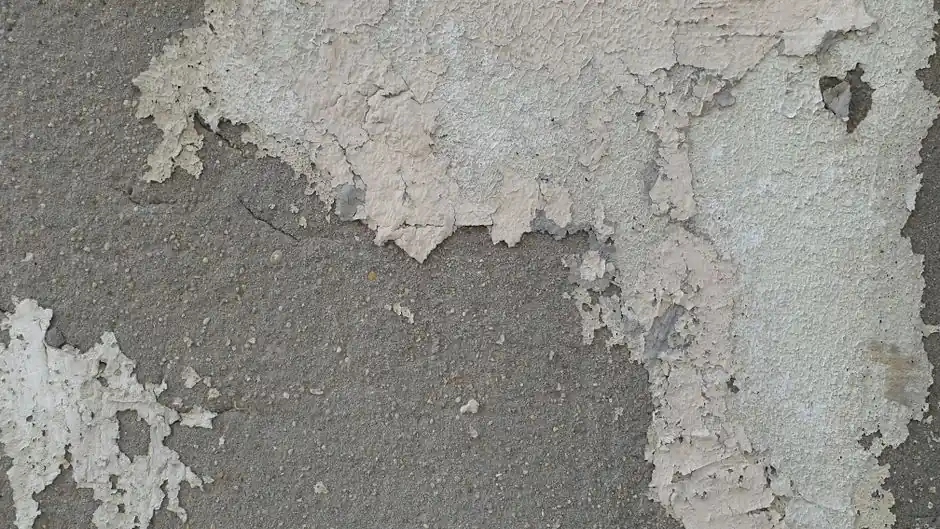
The earliest signs of hidden water damage behind walls in West Valley City UT homes are a musty odor that will not clear, paint that bubbles or peels for no reason, and drywall that feels soft or spongy when you press it. If you notice any of those three, water has been sitting inside the wall long enough to soak the paper facing on the drywall and feed mold spores.
We have opened hundreds of walls across West Valley City, and the story is almost always the same: a slow supply-line drip, a roof leak that only shows up during spring snowmelt, or a slab leak that has been wicking upward for months. This post walks through the specific signs we look for, how to check each one yourself, and when a wall needs to come open.
What Are the First Signs of Hidden Water Damage Behind Walls?
Signs of hidden water damage behind walls in West Valley City UT usually appear in this order: smell first, then paint or texture changes, then soft drywall, then visible staining. The smell shows up weeks before you can see anything, because mold colonies release microbial volatile compounds as soon as they establish on wet drywall paper or wood framing.
Walk through your home and check for these:
- Musty, earthy odor in one room or one closet, strongest when the house has been closed up overnight.
- Paint bubbling, cracking, or peeling along a baseboard, door casing, or ceiling line.
- Drywall that gives when you press it - a healthy wall feels hard and cool; a wet one feels soft and slightly warm.
- Warped baseboards or a baseboard that has pulled away from the wall by an eighth of an inch or more.
- Faint brown or yellow rings on the wall, often near an outlet, light switch, or plumbing penetration.
- Unexplained increase in your water bill - even a quarter-inch supply-line pinhole leak can waste 10,000 gallons a month.
One sign alone is worth investigating. Two signs in the same room means the wall almost certainly needs to be opened and dried.
How to Detect Water Damage Behind Walls in West Valley City UT
To detect water damage behind walls in West Valley City UT without cutting anything open, you need three tools: your nose, a $30 pin-type moisture meter, and a $20 infrared thermometer. Together they will tell you whether a wall is wet, how far the moisture has spread, and whether the source is above, below, or inside the wall cavity.
Here is the sequence we run on every inspection:
- Smell test. Close the room up for an hour, then walk in. A musty smell that intensifies near one wall tells you which cavity to check first.
- Moisture meter scan. Press the pins into the drywall at 6-inch intervals along the suspect wall. Readings above 16% wood moisture equivalent mean the drywall is holding water.
- Infrared scan. Point the thermometer at the same wall. A wet patch will read 3 to 8 degrees cooler than the surrounding drywall because evaporating moisture pulls heat out of the surface.
- Baseboard check. Slide a putty knife behind the baseboard. If it comes out damp or the wood is soft, water is pooling at the bottom plate.
- Outlet and switch check. Kill the breaker first, then pull the cover plate. Rust on the screws or a dark ring around the box means water has been running down the inside of the wall.
If the meter reads high and the infrared confirms it, the next step is a small 4-inch inspection hole at the base of the wall. That is enough to see the bottom plate, the insulation, and whether the leak is active. We do this on every Wall Water Damage Drying West Valley City UT job before we set any equipment, because drying the wrong cavity wastes a day and leaves the real leak running.
Why West Valley City Homes Get Hidden Wall Moisture
West Valley City homes get hidden wall moisture from three local patterns: freeze-thaw cycles on exterior supply lines, irrigation and snowmelt against the foundation, and slab leaks in the older ranch-style homes built between 1955 and 1985.
Our winters swing hard. A pipe in an exterior wall can freeze at night when the temperature drops to 18°F and thaw by 2 p.m. the next day. That expansion and contraction stresses copper fittings until one finally weeps. You will not see it in January. You will see the paint bubble in April.
Spring snowmelt is the second driver. West Valley City sits on clay-heavy soil that sheds water slowly. When the snowpack on a north-facing yard melts in March, that water sits against the foundation for days. It finds every crack in the stem wall and wicks up into the wall cavity from below. Homeowners in older neighborhoods off 3500 South and Redwood Road call us every spring for exactly this.
Slab leaks are the third. The copper supply lines under a 1960s slab have been under constant pressure for 60 years. When one pinholes, water travels along the bottom of the slab and shows up as a warm spot on the floor or a musty smell in a hallway closet. By then the wall cavity above it has been damp for weeks. If you are seeing any of these patterns, our Plumbing Leak Water Damage Cleanup West Valley City UT team can trace the source and dry the wall in the same visit.
Can Hidden Water Damage Cause Mold in West Valley City?
Yes. Mold from hidden water damage in West Valley City UT can start growing on drywall paper in 24 to 48 hours once the moisture content passes 20%. You will not see it for a week or two, but it is there, feeding on the paper facing and the cellulose in the insulation.
The species we find most often in Utah wall cavities are Penicillium, Aspergillus, and Cladosporium. None of them need standing water. They need relative humidity above 60% inside the wall cavity, which is exactly what a slow drip creates. By the time you smell it, the colony has usually spread 2 to 4 feet in every direction from the leak point.
That matters for two reasons. First, mold-damaged drywall cannot be cleaned and saved - it has to be cut out and replaced. Second, once mold is established, drying alone will not fix the problem. You have to remove the contaminated material, treat the framing, then dry the cavity. We handle that sequence on every Residential Water Damage Restoration West Valley City UT job where mold is present.
If anyone in your home has new allergy symptoms - sneezing, itchy eyes, a cough that gets worse at night - and you also have a musty smell, treat it as a mold issue until proven otherwise.
Common Mistakes Homeowners Make With Wall Water Damage
The most expensive mistake is painting over a water stain. Paint seals the moisture in, hides the evidence, and gives mold another six months to spread. We have opened walls where the homeowner had repainted twice and the framing behind the drywall was black.
Other mistakes we see regularly:
- Running a box fan and calling it dried. A box fan moves air across the surface. It does not pull moisture out of the drywall, insulation, or bottom plate. You need directed airflow plus dehumidification to actually dry a cavity.
- Ignoring a small ceiling stain. A 2-inch ring on the ceiling usually means a 4-foot wet zone above it. Water spreads sideways along the drywall paper before it drips.
- Assuming the leak stopped on its own. A pinhole leak that seems to quit in July is often just a supply line that froze shut in a wall that is still wet.
- Cutting the drywall but not drying the framing. If the studs and bottom plate stay above 16% moisture, mold comes back within a month.
- Waiting for the insurance adjuster before doing anything. Mold growth does not pause for paperwork. Document the damage with photos, then start drying.
One more: do not run a shop vac on standing water near an outlet. Kill the breaker first. Water and live electrical are the one combination on this list that can hurt you.
When to Call a Professional
Call a professional when you have two or more signs in the same room, when the moisture meter reads above 16% after 24 hours of DIY drying, or when you smell mold. At that point the wall needs to come open, and the cavity needs commercial drying equipment to hit a safe moisture level.
We handle this every day. Our technicians use thermal imaging to map the wet zone, cut a clean inspection opening, extract any standing water, and set Structural Drying Services West Valley City UT equipment - directed air movers plus a desiccant or refrigerant dehumidifier - until the framing reads below 12% moisture content. That usually takes 3 to 5 days for a standard 2x4 wall cavity. We check the readings daily and do not pull equipment until the numbers hold for 24 hours.
If you are not sure whether your wall is wet, call us anyway. A 20-minute inspection is cheaper than a mold remediation. We serve the whole city, and we are set up to respond to Emergency Water Damage Restoration West Valley City UT calls the same day.
Frequently Asked Questions
What are signs of hidden water damage behind walls in West Valley City?
A musty odor, bubbling or peeling paint, soft drywall, warped baseboards, and a water bill that jumped by 10,000 gallons or more. Two of those in the same room means the wall is wet.
How do I detect water damage behind walls in West Valley City UT?
Use a pin-type moisture meter and an infrared thermometer. Readings above 16% moisture content, or a surface that runs 3 to 8 degrees cooler than the surrounding drywall, confirm hidden moisture. A 4-inch inspection hole at the baseboard shows you the bottom plate.
Can hidden water damage cause mold in West Valley City?
Yes. Mold can colonize wet drywall paper in 24 to 48 hours once moisture passes 20%. In Utah, the most common species are Penicillium, Aspergillus, and Cladosporium. Contaminated drywall has to be removed, not cleaned.
Who inspects for hidden water damage in West Valley City?
Licensed water damage restoration companies and plumbers with moisture-detection tools. We inspect wall cavities with thermal imaging and moisture meters, then dry or repair the cavity. Call (385) 488-0549 to schedule an inspection.
How long does it take to dry a wet wall cavity?
A standard 2x4 wall cavity takes 3 to 5 days with commercial air movers and a dehumidifier. We check moisture readings daily and only remove equipment once the framing holds below 12% for 24 hours.
Get Help With Water Damage Restoration in West Valley City
If you have smelled something musty or watched a baseboard warp, the wall is already wet. We can find the source, dry the cavity, and repair the drywall before mold takes hold.
Call West Valley City Water Damage Pros at (385) 488-0549 for same-day inspection and drying. We serve every neighborhood in West Valley City and the surrounding west side.